Quick And Easy Kid Friendly Breakfast Recipes

Kid-friendly egg breakfasts for busy school mornings. Learn how to boil, scramble and poach the perfect egg, plus the nutrition facts that make eggs the ultimate school fuel.
Mornings with kids rarely go to plan. Someone can't find their shoes, the toast burns, and you've got about six minutes to get something into little tummies before the school run. This is where eggs earn their keep.
When you're searching for healthy breakfast ideas for kids, one egg, one pan (or one pot), and a few minutes is all it takes to put a proper breakfast on the table. They're quick, they're affordable, and once you've got the basic techniques down, you can turn out a hot breakfast even on the mornings that feel like chaos.
Below we've covered how to cook the perfect boiled egg, how to make scrambled eggs your kids will actually eat, and how to poach an egg without the stress, along with why eggs deserve a regular spot on the breakfast table.
Why Eggs Are The Perfect Breakfast For School And Play
Kids burn through a lot of energy between the school gate and home time, and breakfast is what carries them through. Eggs are one of the few breakfast foods that tick every box: quick to cook, easy on the budget, and packed with the kind of nutrition growing bodies actually need.
Serving a high-protein kids breakfast with a couple of eggs gives kids a solid source of fuel, which helps keep them full until morning tea instead of crashing by 10am. That steadier energy also means fewer requests for a second breakfast twenty minutes after you've dropped them off.
A good breakfast also sets the tone for the rest of the day. When kids aren't running on empty by 11am, lunch stays lunch instead of getting eaten early out of hunger, and there's more in the tank for after-school sport, swimming lessons, or whatever's on the calendar that afternoon. Starting the day properly fueled means the meals that follow can actually do their job too.
Eggs are just as handy outside of breakfast. A couple of boiled eggs thrown into a lunchbox or eaten straight after school make an easy way to top up energy before training or a game, without reaching for something processed.
Quick, Adaptable, And Ready For Anyone At The Table
One of the best things about eggs is how easily they flex to suit whoever's eating them, without adding any extra time in the kitchen.
- For toddlers: soft, well-cooked scrambled eggs make an easy first breakfast while they're still learning to chew.
- For fussy eaters: firmer, drier eggs (or kept separate from anything "wet") tend to go down better.
- For the adventurous eater: dressed up with cheese, veggies, or a bit of chilli, eggs work for the kid who'll eat anything as long as it's on toast.
Same ingredient, same five minutes, just adjusted to the kid in front of you. Check out more information here on how eggs support kids through school and activity, if you want the fuller picture.
What's Actually In An Egg?
It's not just protein doing the work. A single egg carries a genuinely impressive nutritional line-up for something so simple to cook.
| Nutrient | What It Does | Why Kids Need It |
|---|---|---|
| Protein | Builds and repairs muscle | Keeps kids full and supports growth |
| Choline | Supports brain development | Helps with memory and learning |
| Vitamin D | Helps the body absorb calcium | Builds strong bones and teeth |
| Vitamin B12 | Supports healthy blood cells | Fights tiredness, and supports energy |
| Iron | Carries oxygen in the blood | Supports focus and steady energy |
| Vitamin A | Supports eye health | Helps with vision, especially in low light |
| Healthy Fats | Fuels the body and brain | Supports overall growth |
That's a lot of nutritional value for something that costs next to nothing and cooks in under five minutes. If you want to nerd out on the science of what's actually happening inside an egg when you cook it, take a look here for the full breakdown.
Now, onto the part that actually matters at 7am on a school morning: how to cook your eggs!
How To Cook The Perfect Boiled Egg
Boiled eggs are the easiest make-ahead breakfast there is. Cook a batch on a Sunday night and you've got grab and go protein sorted for the whole week.
Method
- Place eggs gently into a pot and cover with cold water by about 2cm.
- Bring to a gentle boil, then take off the heat and cover with a lid.
- Let them sit off the heat for the time below, depending on how you like your yolk.
- Transfer straight into a bowl of cold water for a few minutes (this stops the cooking and makes them much easier to peel).
Timing Guide (once off the heat)
- Soft yolk, set white: 5 to 6 minutes
- Just-set yolk, slightly jammy: 7 to 8 minutes
- Fully hard-boiled: 10 to 12 minutes
A tip for easier peeling: eggs that are a few days old peel more cleanly than eggs straight from the carton, since the shell separates from the white more easily as the egg ages slightly.
How To Make Scrambled Eggs
Scrambled eggs are the breakfast most kids will eat without a fuss, and the difference between rubbery and restaurant-soft comes down to heat and patience.
Method
- Whisk 2 eggs per person with a small splash of milk and a pinch of salt.
- Melt a little butter in a non-stick pan over low to medium heat. Low heat is the key step most people skip.
- Pour in the eggs and let them sit for a few seconds before gently pushing them from the edges into the centre with a spatula.
- Keep folding gently rather than stirring hard. Take the pan off the heat just before the eggs look fully set. They'll finish cooking from the residual heat.
- Serve straight away with toast, or fold through some grated cheese for extra staying power.
If your kids are picky about texture, softer and slightly wetter scrambled eggs tend to go down better than dry, well-done ones. Cooking low and slow gets you there every time.
How To Poach An Egg
Poached eggs have a reputation for being fiddly, but the method is simpler than most people expect once you've done it a couple of times.
Method
- Fill a saucepan with water about 6 to 8cm deep and bring to a gentle simmer, not a rolling boil.
- Add a splash of white vinegar. This helps the white hold together.
- Crack an egg into a small cup or ramekin first, rather than straight into the water.
- Create a gentle swirl in the water with a spoon, then slide the egg in.
- Cook for 3 to 4 minutes for a soft, runny centre.
- Lift out with a slotted spoon and rest briefly on a paper towel before serving.
Poached eggs on toast with a bit of avocado or cheese make a breakfast that feels far more special than the five minutes it actually takes.
Which Method Suits Your Morning?
| Method | Time | Best For |
|---|---|---|
| Boiled | 5 – 12 Minutes | Make-ahead, lunchboxes, on-the-go mornings |
| Scrambled | 3 – 5 Minutes | Fast weekday breakfasts, fussy eaters |
| Poached | 5 – 7 Minutes | Slightly slower mornings, weekend brekkie |
There's no wrong choice here. It's really about matching the method to how much time you've actually got, and most families end up rotating through all three depending on the day.
More Ways To Get Eggs On The Table
Once the basics are sorted, eggs are easy to build on. Leftover boiled eggs work well chopped into a lunchbox-friendly egg salad, and if you've got a bit more time up your sleeve on the weekend, a quiche is a great way to use up a full carton along with whatever veggies are hanging about in the fridge. Or see here for more egg-based recipes and nutrition tips.
How Do Eggs Compare To Other Breakfast Staples?
Cereal and toast are still the default breakfast in a lot of households, mostly because they're fast. The trouble is they don't carry kids anywhere near as far through the morning as an egg does.
A bowl of cereal or a slice of toast with spread is quick, but it's usually low in protein and, depending on the cereal or spread, can carry a fair bit of added sugar. That combination tends to mean a quick burst of energy followed by a dip well before lunch, which is exactly when the "can I have a snack" requests start rolling in. Muesli bars aren't much better on this front, they're convenient, but they're built more for a quick top-up than an actual breakfast.
Eggs flip that around. No added sugar, a solid hit of protein, and the kind of steady energy that actually gets kids to morning tea, let alone lunch, without the mid-morning crash. They also take barely any longer to prepare than pouring a bowl of cereal once you've got the basic techniques down.
None of this means cereal or toast need to disappear from the breakfast rotation entirely. They work well enough alongside an egg on the side. But on their own, most of the usual quick options are built for speed rather than staying power, which is exactly where eggs have the edge.
Start With A Good Egg
The techniques above will only get you so far if the eggs themselves aren't up to scratch. A truly fresh, free range egg holds its shape better when poached, peels more easily once boiled, and scrambles up with that rich golden colour kids notice on the plate.
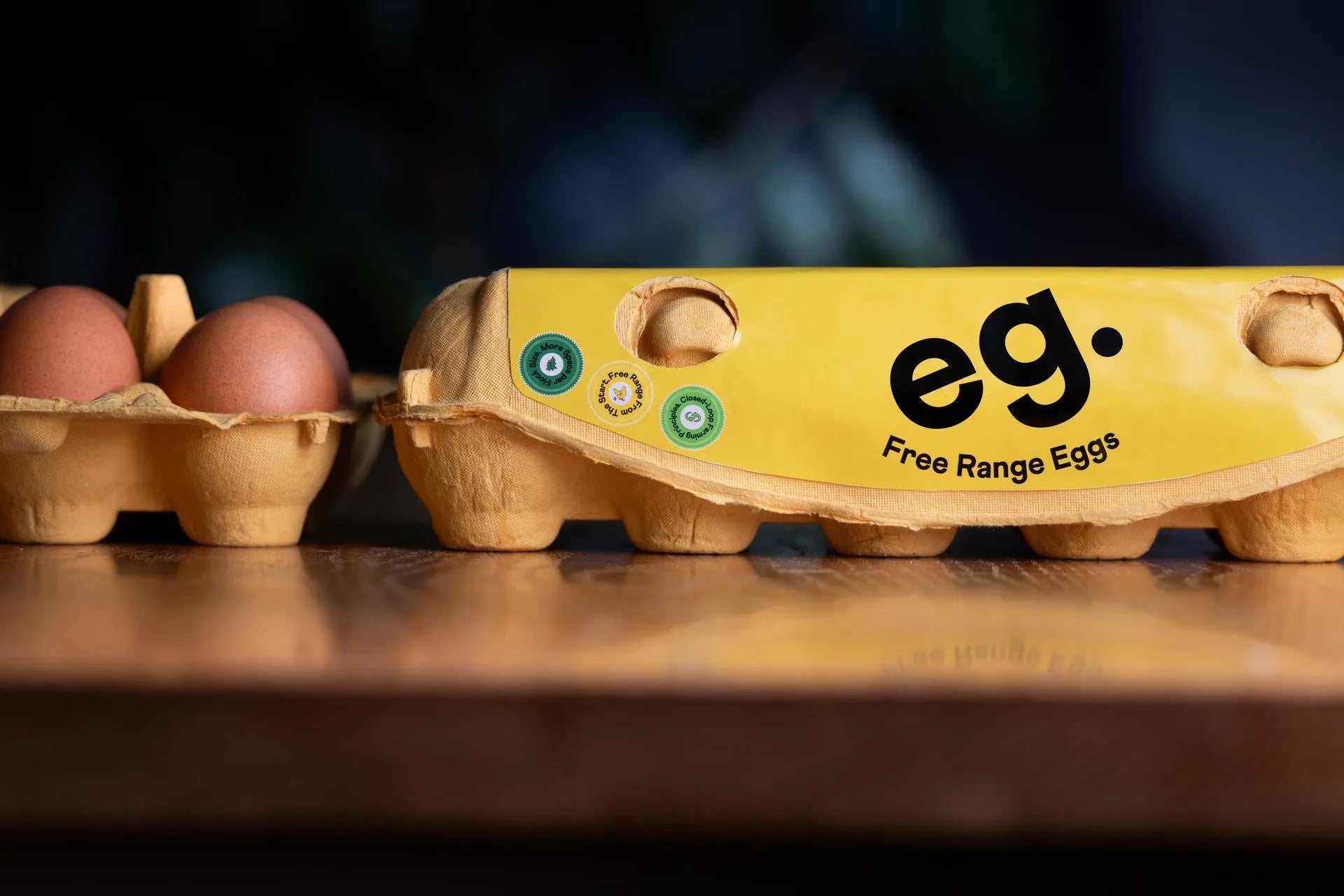
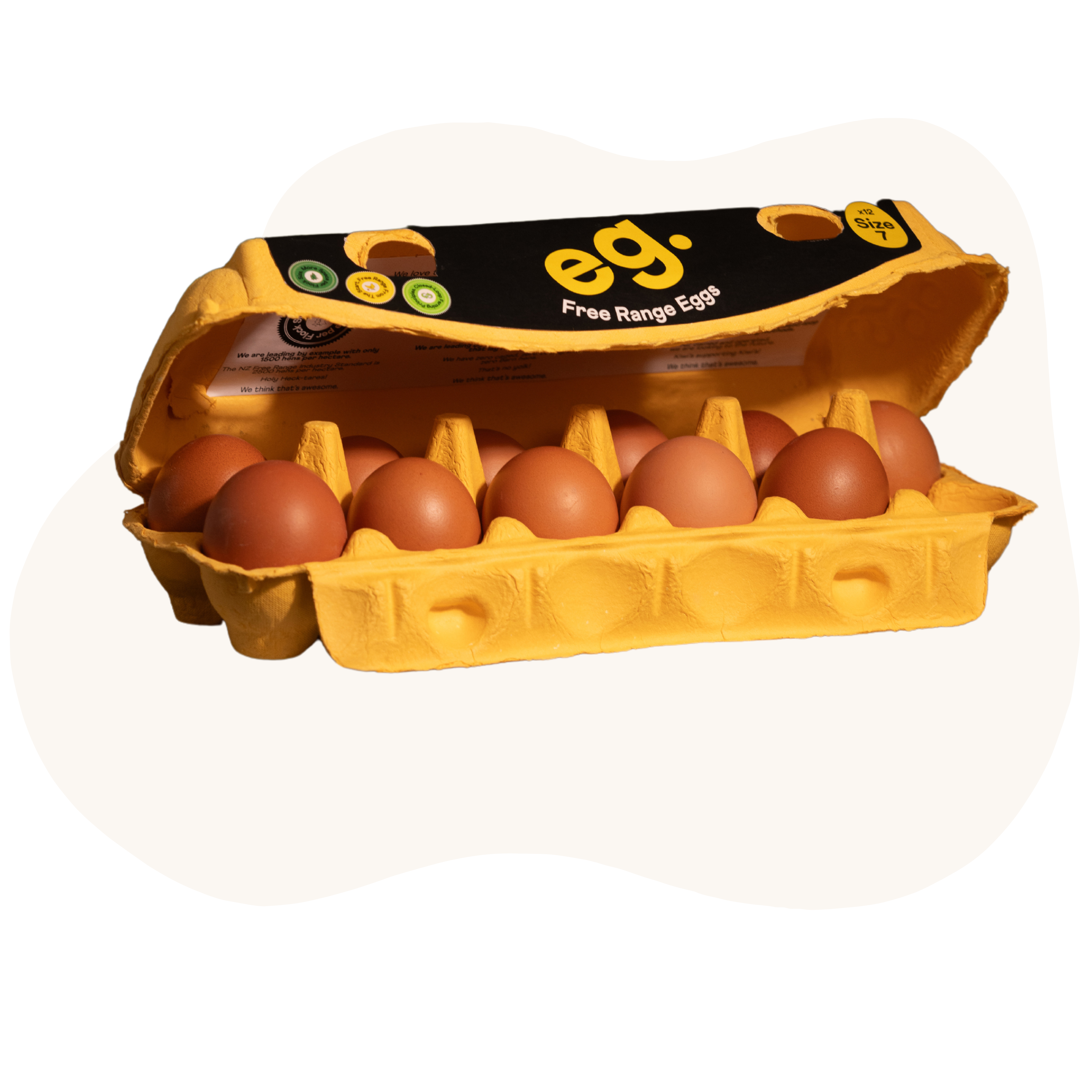
At eg. Free Range Eggs, our hens spend time genuinely free ranging, which is what gives our eggs that deep golden yolk and proper flavour, whether you're boiling, scrambling, or poaching them. Shop our free range eggs online or in store and give your family's breakfast the upgrade it deserves!
Share this story
More eg. Articles

Egg Sizes And Grades Explained - What Mixed Grade, Size 7 And Jumbo Actually Mean

How Many Grams Of Protein Are In An Egg?

Omelettes made easy with eg.
Sign up to our newsletter